Pluggnb
Soft as a cloud, still knocks in the trunk.
Get your song in Pluggnb
Make yours in this styleHear it before you pay.$19 USD · your first song for $5.50 USDIf it doesn't move you, we give you your money back · 7 days.
Pluggnb is a style from the Asphalt and Diamonds family. 132 BPM, Experimentation 56, Style strength 78.
What is Pluggnb?
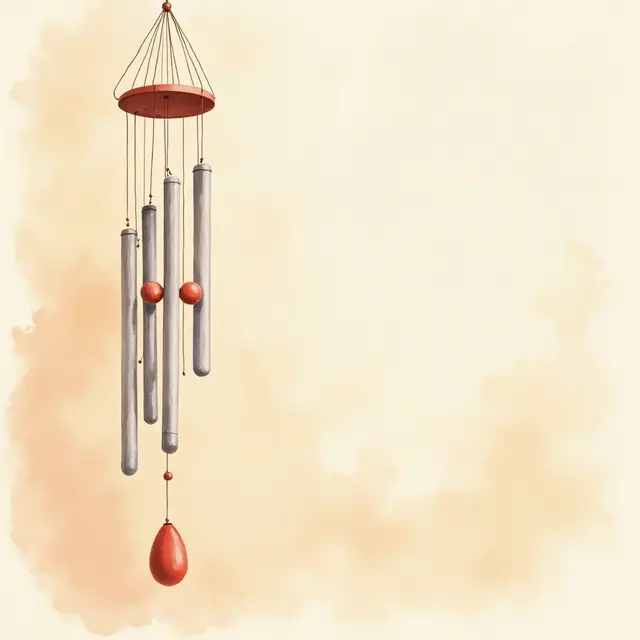
Chimes over 808s: plugg is the underground's softest cloud — sweet without ever losing its bounce.
How it sounds
It is three-thirty in the morning in a cramped bedroom studio where the air smells of lukewarm coffee and the hot plastic of an interface running on fumes. The only light is the amber glow of a phone screen casting a warm reflection against a jawline and the collar of a worn cotton hoodie. Outside, the city is just a flat line of sodium streetlamps smeared across dirty double-pane glass.
Inside, the monitor displays the long, green blocks of an 808 stretching across the timeline—a low end that does not punch so much as it billows, filling the space between your ribs and the synthetic leather of the desk chair. Then the bell chimes drop. They are high, glassy droplets, bright like ice cubes shifting inside a heavy rocks glass resting on thick carpet. There is no rush in the BPM. The hi-hats graze the grid with a dry, lazy hiss, like a cat stretching its claws over wool.
Someone adjusts the gain knob with two fingers, eyes half-lidded. The vocal rolls in almost spoken, volume kept low, letting the syllables slide over the beat like heavy oil cooling on a marble counter. There is no tension in the room, just the quiet weight of a copper chain resting against a collarbone and the faint electronic hum of a wireless pad charging on the desk. Everything is locked in place, even the empty space left when the melody trails off into the dark corner by the door.
Palette: terracotta red / silver gray / copper
- BPM
- 132 BPM
- Family
- Asphalt and Diamonds
- Serial
- ASF-21
- Rarity
- Epic
- Style strength
- 78
- Experimentation
- 56
Typical structure
[Bell Intro] → [Verse] → [Soft hook] → [Verse 2] → [Hook] → [Floating Outro]
What you see in the public parameters is just the surface. Behind this sheet lie two invisible writing problems: how to make arrogance sound casual, and how to keep the sweetness of the chimes from turning the lyrics into greeting-card fluff. That lives inside an unpublished internal distillate of eight parameters, and the engine crosses it with the buyer's story to lock in the exact angle of cool detachment. When it finishes, an internal judge measures the lines against six dimensions of the canon and sends back anything that feels forced. The beat can be found anywhere. The lazy arrogance cannot.
How a lyric in this style thinks
A Plugg lyric does not announce itself. It settles into the room the way cigarette smoke used to settle into furniture — gradually, completely, without asking permission. The lyric's job is to hold a quiet victory at arm's length and let the listener observe it rather than feel pressured to celebrate it. That restraint is the entire craft. Plugg is not about shouting what you survived; it is about describing where you are standing now and letting the weight of that location do all the emotional work.
The terracotta and copper tones of this genre's emotional register mean pride arrives warm and slightly oxidized, not bright. The feeling is closer to satisfaction than triumph, and your words have to honor that distinction or the whole thing collapses.
The rhythm of a Plugg vocal is almost conversational, but not quite spoken word. Lines tend to be short to medium in length, with a natural pause built in — not a comma on the page, but a breath that lets the bell melody breathe between phrases. Syllables slide rather than land. The melodic delivery sits in a narrow range, often hovering around a single pitch before drifting up slightly at the end of a phrase, which gives the lyric a floating, unresolved quality that matches the billowing 808 underneath.
Repetition in Plugg is used to deepen rather than emphasize. When a phrase comes back, it should feel like returning to a window you already looked out of once, not like a chorus demanding your attention. The soft hook is almost ambient — it exists to let the listener exhale, not to drive the energy up.
The sensory field in Plugg is specific and interior. You are working with objects that carry quiet status: the weight of a chain against skin, the sound of ice shifting in a glass, the grain of a marble surface, the amber light from a phone screen, the texture of thick carpet under bare feet at an odd hour. These are not luxury-brand references — they are tactile details that place someone inside a life they built without fanfare.
Plugg lyrics never reach for the street-level grit of shattered glass and concrete; that texture belongs to a harder genre. Equally, they avoid the glossy surfaces of aspirational pop. The imagery lives in between — worn cotton next to expensive things, a cramped room with a view, a moment that is private because it does not need an audience.
Structurally, the bell intro earns its length. It is not a throwaway — it establishes the entire emotional atmosphere before a single word lands, so your first verse drops into a space that is already warm. The verse in Plugg carries most of the narrative weight, because the hook is designed to be soft enough that it can barely hold itself up. Write your hook with fewer words than you think you need. If the hook feels like a statement, trim it until it feels like an afterthought that happens to be true. The floating outro should dissolve rather than conclude — let the last phrase trail into the low end, unresolved, because in Plugg, closure is not the point. The point is the exhale.
What separates a real Plugg lyric from a generic imitation is the refusal to explain the feeling. A generic lyric will tell you it was hard and now it is good. A Plugg lyric will describe the copper chain, the clean room, the three-thirty quiet, and trust that you already know what it cost. The production — those high glassy bell droplets, the 808 that billows rather than punches, the hi-hats grazing the grid with a dry lazy hiss — is already doing the emotional heavy lifting at a BPM that never rushes. Your words do not need to add urgency.
They need to add specificity. One concrete detail in the right place will carry more weight than an entire verse of abstract feeling. Write toward the image, stay out of the explanation, and let the silence between the lines mean something.
- SOFT CHIMES
- CLOUD WITH 808
Sample excerpt
I left the key inside the mailbox at the gate. Three A.M. and the highway is just a grey vein. Found a clean shirt in the trunk of the coupe. I count the amber lights as I slide through the lane. Used to keep my head down, staring at the floor. Now I check the mirrors just to see if I’m real.
Chimes hit the glass, I'm already gone. Moving in silence, the rhythm is long. Leveling up while the city is blind.
Workshop note — Plugg relies on a minimalist, airy flow where the lyrics act as a rhythmic texture rather than a heavy narrative. Keep your lines loose and conversational, allowing space for the 808s to breathe, and focus on specific, mundane details of progress instead of emotional outbursts. The hook should remain understated and repetitive, acting as an anchor for the melodic bell patterns.
Sample excerpt written by MUSAI Song. Your lyrics are written from scratch, based on your story.
When to choose this style
Choose this track card when the story is about a quiet victory, the kind that needs no applause because it shows in the way you take up space when nobody is watching. It works for telling how you made it out of a dead-end town without turning it into a melodrama, for the understated pride of buying something expensive with your own cash, or for a milestone where the hard part is already behind you and you can finally exhale in a clean room.
It fits someone who moved to the city and sends snapshots from a high floor with a glass in hand and the look of someone who no longer needs validation. Plugg is the sound of winning in slow motion. Do not choose this for a loud, messy breakup or a heavy grief that steals your breath: the pillowy 808 and the bells will crack under the weight of shouting or thick tears. If you need raw street grit and unfiltered urgency, the card is Detroit Rap.
Your story in this style
MUSAI Song writes original lyrics from your story, in the Pluggnb style, and delivers the finished sung song, the ready-to-use style recipe, and an illustrated art plate with its numbered certificate, private by default; public only if its owner publishes it.
- Original lyrics written from your story
- A finished sung song, ready to play and share
- Art plate with a unique seal and a numbered certificate, private by default; public only if its owner publishes it
Frequently asked questions
What BPM is Pluggnb?
Pluggnb usually runs at 132 BPM.
What does Pluggnb sound like?
Chimes over 808s: plugg is the underground's softest cloud — sweet without ever losing its bounce.
What song structure does Pluggnb use?
[Bell Intro] → [Verse] → [Soft hook] → [Verse 2] → [Hook] → [Floating Outro]
How do I write Pluggnb lyrics?
Tell MUSAI Song your story and pick Pluggnb: it writes original lyrics for this style at 132 BPM, you edit them word by word, and you get the song sung in Pluggnb, with an illustration of the song and its numbered certificate. $19 USD per song, one-time payment.
Explore more styles
- 90s R&B Revival
- Alt-R&B
- Atlanta Dirty South
- Bedroom Emo Rap
- Candlelight Slow Jam
- Crunk Revival
- Detroit Rap
- Drumless Rap
- G-Funk Revival
- Gospel Trap
- Hip-Hop Love Song
- Icy Drill
- Incense Neo-Soul
- Introspective Hip-Hop
- Jersey Club Rap
- Lo-Fi Cloud Rap
- Melodic Trap
- Memphis Phonk
- Memphis Rap
- Modern Boom Bap
- Modern R&B
- New Orleans Bounce
- NY Drill
- R&B Empowerment
Your idea or story, sung in this style
Card · secure payment via Stripe, charged in USD
If it doesn't move you, we give you your money back · 7 days