Hard Bop
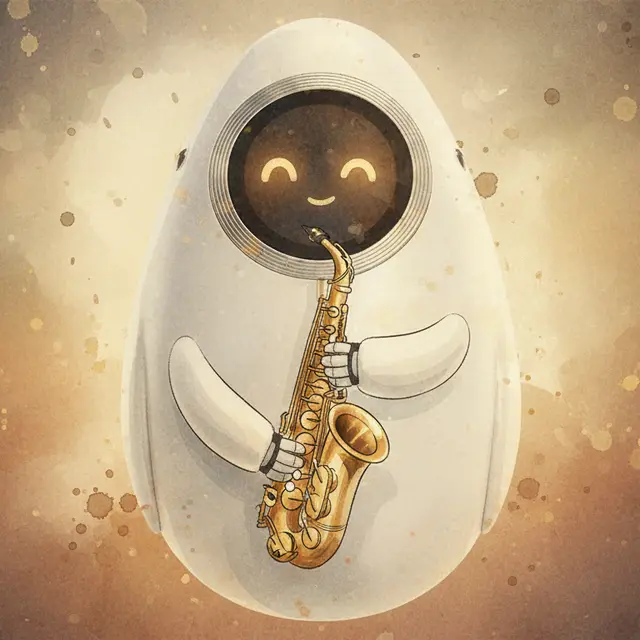
The saxophone sweated first; the smoke showed up later to see what was happening.
Get your song in Hard Bop
Make yours in this styleHear it before you pay.$19 USD · your first song for $5.50 USDIf it doesn't move you, we give you your money back · 7 days.
Hard Bop is a style from the Smoke and Midnight family. 150 BPM, Experimentation 30, Style strength 93.
What is Hard Bop?
Bebop with blues and gospel in its blood — earthier and hotter. Hard bop is the jazz that came back to the street with soul: soulful, energetic, and deeply human.
How it sounds
It is three-thirty in a room where the low ceiling traps body heat and smoke hangs thick as felt. Someone sets a bourbon glass down on the grooved wood of the upright piano, leaving a wet ring nobody wipes away. On the bandstand, the saxophonist drops his chin and starts without preamble, hitting that raspy low register that seems to scrape the throat before pushing through the bell. The muted trumpet answers from the back, a short, dry phrase cutting through the stale air with the precision of an old pocketknife.
There is no room for decorative flourishes here; the drummer locks into a heavy, relentless ride cymbal, a grounded pulse pushing the melody forward with the urgency of someone who has to speak the truth before the amber glow of the single working bulb flickers out. The floor vibrates beneath shoe soles, the wooden boards groan with every shift of the pianist's shoulder, and the blues stains every measure, soaking through clothes right down to the skin.
The music does not float: it weighs heavy, it burns, dragging street dirt onto the stage without a single apology. An octave chord erupts from the keys and the sax bends upward, carving a path through cigarette haze and the heavy thud of palms keeping time off the beat.
Palette: warm brown amber gold
- BPM
- 150 BPM
- Family
- Smoke and Midnight
- Serial
- HUM-10
- Rarity
- Rare
- Style strength
- 93
- Experimentation
- 30
Typical structure
[Head] theme → [Solo] sax → [Solo] trumpet → [Solo] piano → [Final Theme]
The four data points above are just the surface of the recipe. Beneath this sheet lies an unpublished distillate: the exact tension between bebop discipline and earthy gospel weight, the precise placement of the syncopation to keep the swing sounding dirty and real, the complete sensory field, and the angles from which this urgency is narrated without falling into the cursed-artist cliché. The engine cross-references all of that with your story, and when it finishes, an internal judge measures the lyrics against six canonical dimensions and sends back anything that smells like a pose. The chord is copied. The dirt, no.
How a lyric in this style thinks
A hard bop lyric does not explain pain — it carries it in the body. Where other forms of jazz invite you to observe emotion from a distance, hard bop puts the weight directly on the chest and asks you to keep moving anyway. The lyric swings through difficulty with a dry, unsentimental authority, the kind of voice that has already done its grieving and now speaks in short declarative phrases, sometimes clipped to almost nothing, because the music underneath is doing most of the talking. When you write for hard bop, you are writing for a voice that earned every syllable the hard way.
The emotional register sits in warm amber and dark gold — not cold, not sweet, but burnished. Feeling arrives late and sideways, carried by a concrete image rather than a direct confession. A wet ring on piano wood nobody wipes away. The specific weight of a hand on a table. The dry smile that crosses a face when a scar gets mentioned. Hard bop lyrics resist abstraction the way a grooved wooden floor resists polish: the grain shows, the wear shows, and that is the point.
The sensory field is tight and interior — smoke, bourbon, low ceilings, shoe leather on vibrating boards, the rasp of a reed at low register. This genre never reaches for open sky or pastoral softness. It lives in rooms where the ceiling traps heat and the single working bulb flickers amber.
Rhythmically, the lyric mirrors the ride cymbal: relentless, grounded, driving forward with a heaviness that bebop's quick virtuosity doesn't carry. Line lengths tend to be short to medium, punchy, with rests built in that let the horn answer. Repetition works here not as a hook device but as insistence — the same phrase returning because the thing being said is still true and still unresolved.
Structure follows the instrumental logic closely: a head statement of the central situation, then a series of solo passes where the lyric opens outward into more personal territory, then a return to the theme that lands differently now, weighted by everything the solo sections revealed. The final theme is not a resolution so much as a restatement with more knowledge behind it.
The blues is not an influence in hard bop — it is the blood. That means blue notes in the melody land on syllables that carry the most tension, and the lyric should anticipate them: a bent vowel, a word that ends on an unresolved consonant, a phrase that stops just short of comfort. Gospel undertones appear not as religious language but as the call-and-response logic between voice and instrument, the sense that the lyric is preaching something true to a room that already knows it. The piano's octave chords and the sax's upward bends are structural events, and a well-fitted lyric makes room for them rather than filling every bar.
What separates a genuine hard bop lyric from an imitation is the refusal of self-pity and the refusal of resolution that hasn't been earned. The generic version reaches for drama; the real version trusts understatement. An estranged brother sitting across a table, nobody watching the clock — that scene does not need the word reconciliation anywhere near it. A family business collapsing with dignity intact needs no eulogy. Hard bop asks for the fact stated plainly, the detail so specific it could only belong to this story, and then the swing that says: this happened, it cost something real, and we are still here keeping time.
- BLUES BLOOD
- EARTHY SOUL
- INSTRUMENTAL
Sample excerpt
You left your coat on the back of the chair Three years of dust sitting heavy right there The floorboards groan when you walk through the hall No apologies written against the plaster wall
Keep your silver, keep your gold I bought my shoes with the stories I told We walk the pavement with a broken spine Pour the bourbon down, pour the red wine
Workshop note — Hard bop lyrics rely on physical weight and blunt street-level imagery rather than poetic abstraction. The lines keep a relentless cadence, mirroring a walking bassline that refuses to slow down for self-pity. Avoid soft resolutions or pretty metaphors; keep the language as hard and direct as brick.
Sample excerpt written by MUSAI Song. Your lyrics are written from scratch, based on your story.
When to choose this style
Choose this card when your story needs the grit of someone who walked through the fire and asks for no pity. It works when an estranged brother returns after years of silence and they sit across a table without watching the clock, or for that exact moment a family business collapses but the dignity stays intact on the table. It fits a loyalty tested on the pavement, a scar that no longer hurts but is remembered with a dry smile, or the hard-earned exhaustion of working from dawn to dusk with your own hands.
Hard bop is the card of earthy pulse: it serves when you want to convey that life hurts, but you swing through it anyway. Do not choose it for naive romance, sweet birthdays, or soft-edged goodbyes; hard bop has no fragile or compliant register. Skip it for lukewarm reconciliations where there is too much talk and not enough bone. If you are looking for a sophisticated, distant midnight atmosphere without the dirt, the card is Cool Jazz.
Your story in this style
MUSAI Song writes original lyrics from your story, in the Hard Bop style, and delivers the finished sung song, the ready-to-use style recipe, and an illustrated art plate with its numbered certificate, private by default; public only if its owner publishes it.
- Original lyrics written from your story
- A finished sung song, ready to play and share
- Art plate with a unique seal and a numbered certificate, private by default; public only if its owner publishes it
Frequently asked questions
What BPM is Hard Bop?
Hard Bop usually runs at 150 BPM.
What does Hard Bop sound like?
Bebop with blues and gospel in its blood — earthier and hotter. Hard bop is the jazz that came back to the street with soul: soulful, energetic, and deeply human.
What song structure does Hard Bop use?
[Head] theme → [Solo] sax → [Solo] trumpet → [Solo] piano → [Final Theme]
How do I write Hard Bop lyrics?
Tell MUSAI Song your story and pick Hard Bop: it writes original lyrics for this style at 150 BPM, you edit them word by word, and you get the song sung in Hard Bop, with an illustration of the song and its numbered certificate. $19 USD per song, one-time payment.
Explore more styles
- Acid Jazz
- Afro-Cuban Jazz
- Bebop
- Big Band
- Boogie-Woogie
- Bossa Nova
- Cabaret
- Chicago Blues
- Classic Blues
- Cool Jazz (West Coast)
- Delta Blues
- Exotica Lounge
- Gypsy Jazz
- Jazz Funk
- Jazz Fusion
- Jump Blues
- Late-Night Jazz
- Latin Jazz
- Lounge
- Modal Jazz
- New Orleans Jazz
- Nu-Jazz
- Organ Trio
- Piano Jazz Trio
Your idea or story, sung in this style
Card · secure payment via Stripe, charged in USD
If it doesn't move you, we give you your money back · 7 days