Glitch-Hop / Wonky
The beat showed up late and melted, but it showed up.
Get your song in Glitch-Hop / Wonky
Make yours in this styleHear it before you pay.$19 USD · your first song for $5.50 USDIf it doesn't move you, we give you your money back · 7 days.
Glitch-Hop / Wonky is a style from The Edge of the Map family. 100 BPM, Experimentation 58, Style strength 90.
What is Glitch-Hop / Wonky?
Deliberately off-kilter beats and detuned bass lines that still make you nod your head. Glitch-hop wonky: hip-hop drunk and beautiful, funky, broken, and deliciously off-axis.
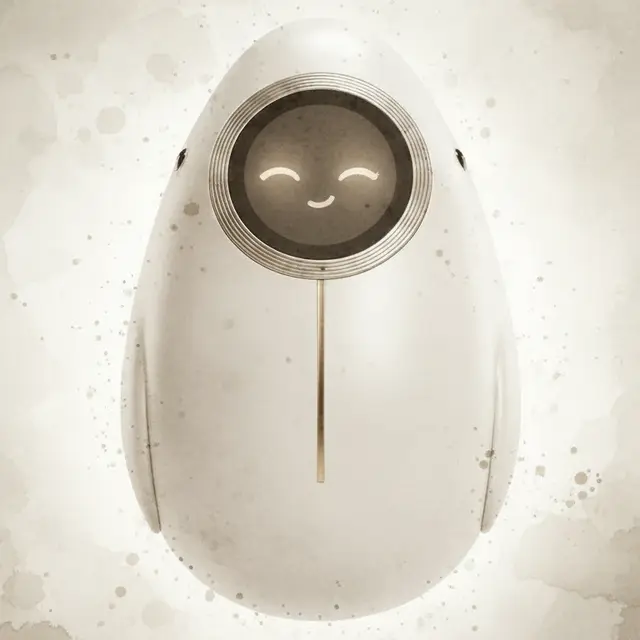
How it sounds
It is three in the morning in a room with wood-panelled walls and a floor that sinks half a centimetre every time you shift your weight. A floor lamp with a dented shade casts an amber cone of light over a table piled high with coiled cables, cold coffee mugs, and a Roland SP-404 sampler blinking in green and red. The bassline drops late, dragging half a beat behind the kick drum as if the amplifier were drowning in warm oil. This is no accident: it is the synthesizer wobble bending downward, intentionally losing pitch just before resolving.
The hi-hats chop up, sliced by a micro-delay that leaves a metallic smear in the air. You sit on the edge of the couch, head down, nodding along to the limp tempo with your left foot while watching dust motes drift through the lamplight. Someone left the window open, bringing in the smell of wet asphalt and distant chimney smoke. The beat does not move in a straight line; it lurches, steps back a second, and pushes forward again, creating a soft geometry that holds you up without quite telling you how.
There is a strange comfort in this misalignment, a mathematical certainty hidden beneath the clumsiness of the groove that forces you to nod along even when the floor beneath feels like it is shifting.
Palette: sepia / white / dark gray / muted gold
- BPM
- 100 BPM
- Family
- The Edge of the Map
- Serial
- BRD-16
- Rarity
- Common
- Style strength
- 90
- Experimentation
- 58
Typical structure
[Wonky beat] → [detuned bass] → [glitch groove] → [variation] → [twisted Outro]
What you see above is merely the surface of the beat. Writing in this register demands solving two invisible problems: how to maintain emotional tension when the rhythm deliberately limps, and how to keep irony intimate rather than cold. That lives inside an unpublished distillate of eight parameters, and the engine crosses it with your raw history before drafting a single line. Afterward, an internal judge measures the text against six dimensions of the canon and forces a rewrite on any bar that stands too straight. A detuned synth is easy to buy. The exact weight of the stumble is not.
How a lyric in this style thinks
A glitch-hop lyric does not explain itself. It arrives sideways, drops a phrase that lands slightly wrong, and then holds that wrongness long enough for you to realise it was exactly right. The genre — glitch-hop, sometimes called wonky — operates on deliberate misalignment: the beat drags behind where you expect it, the bass wobbles off-pitch before reluctantly resolving, and the lyric does the same thing with meaning. A line will suggest one emotional direction, then veer.
Not because the writer lost control, but because the writer trusted the lurch. That trust is the entire craft here. If you are writing for this genre, your first job is to stop reaching for closure and start listening for the place where the phrase almost makes sense — and stop there.
The emotional register of glitch-hop sits in a very specific corridor: not sad, not euphoric, but something like wry recognition. Sepia-toned. The feeling of finding an old photograph you do not quite remember taking. Emotion arrives through accumulation of small, concrete, slightly strange details rather than through declaration. The floor that sinks a centimetre when you shift your weight. The cold coffee. The green and red blink of a sampler in the dark. These are the kinds of images that carry genuine weight in this genre.
Abstract emotional statements — longing, loss, confusion — land flat unless they are grounded in a specific, textured object. The sensory field is interior and nocturnal: amber lamplight, wet asphalt coming through an open window, the metallic smear of a chopped hi-hat. Glitch-hop does not go outside into daylight very easily. It lives in rooms, in transit, in the space between one decision and the next.
Line length and rhythm in this genre behave like the beat itself — they refuse a steady pulse. Short phrases interrupt longer ones. A line that runs for twelve syllables may be followed by a fragment of three. When lyrics do appear, they often function more like samples than like verses: repeated, pitch-shifted in feel, returning in slightly altered form later in the track so that what seemed like a throwaway observation becomes, on second hearing, the structural centre.
Repetition here is not a chorus hook — it is more like a loop that degrades slightly each time through, picking up new meaning through context rather than through melodic emphasis. The variation section in the canon structure is not decoration; it is where the lyric mutates, where a line comes back with a word changed or a syllable dropped, and that small shift carries the emotional turn the genre would never announce with a key change and a lift.
What separates a real glitch-hop lyric from a generic imitation is the absence of explanation. Imitation glitch-hop tells you it is broken. Real glitch-hop is simply broken, and doesn't comment on it. The detuned bass wobble does not apologise for losing pitch — it bends down and then comes back, and the groove holds. A lyric in this genre has the same quality: it makes a crooked move, and the structural logic underneath — the mathematical certainty hidden in the clumsiness — keeps the whole thing from collapsing.
The twisted outro is not resolution; it is the track deciding to stop rather than end, the way a thought trails off at three in the morning not because it is finished but because the room has gone quiet and that is enough. If your lyric ends on a neat bow, you have left the genre behind. End on a phrase that is still slightly in motion.
- TWISTED BEAT
- DRUNK GROOVE
- INSTRUMENTAL
Sample excerpt
Left the key in the screen door at 4 AM. My shadow tripped over the loose floorboards, digital stutter in the hallway light. The coffee pot is holding onto yesterday's silt, and the cat is watching the fridge hum in minor chords. Everything is leaning three degrees to the left.
Sliding on the axis, off the grid, finding the rhythm in the things we missed. Twisted wire and a crooked grin, where the broken signal lets the light in.
Workshop note — This genre thrives on rhythmic friction, so keep your phrasing syncopated and slightly behind the beat to mimic the lurching bass. The chorus should emphasize the irony of finding stability in chaos, using short, punchy phrases that mirror the stuttering, glitch-heavy production style. Avoid smooth, melodic resolutions; the lyric must feel as asymmetrical and playfully unstable as the music itself.
Sample excerpt written by MUSAI Song. Your lyrics are written from scratch, based on your story.
When to choose this style
Choose this card when your history refuses a clean narrative arc and thrives on obliqueness. It works for telling the story of a move that went sideways but turned into the best place you have ever lived. For that relationship born from a monumental misunderstanding that somehow became the only steady ground you had. For when a plan completely unravels midway and you realize the improvised chaos was precisely what you needed. It fits anyone whose mind works in crooked, brilliant, slightly cynical ways and cares nothing for conventional approval.
Do not pick this for a traditional wedding, a solemn memorial, or a corporate triumph where every piece clicks into its proper box; wonky rejects symmetry and sounds false when forced to wear clean medals. It also fails when the grief asks for quiet, motionless mourning. If you are looking for a straight line and a neat emotional closure, the card is Deconstructed Club.
Your story in this style
MUSAI Song writes original lyrics from your story, in the Glitch-Hop / Wonky style, and delivers the finished sung song, the ready-to-use style recipe, and an illustrated art plate with its numbered certificate, private by default; public only if its owner publishes it.
- Original lyrics written from your story
- A finished sung song, ready to play and share
- Art plate with a unique seal and a numbered certificate, private by default; public only if its owner publishes it
Frequently asked questions
What BPM is Glitch-Hop / Wonky?
Glitch-Hop / Wonky usually runs at 100 BPM.
What does Glitch-Hop / Wonky sound like?
Deliberately off-kilter beats and detuned bass lines that still make you nod your head. Glitch-hop wonky: hip-hop drunk and beautiful, funky, broken, and deliciously off-axis.
What song structure does Glitch-Hop / Wonky use?
[Wonky beat] → [detuned bass] → [glitch groove] → [variation] → [twisted Outro]
How do I write Glitch-Hop / Wonky lyrics?
Tell MUSAI Song your story and pick Glitch-Hop / Wonky: it writes original lyrics for this style at 100 BPM, you edit them word by word, and you get the song sung in Glitch-Hop / Wonky, with an illustration of the song and its numbered certificate. $19 USD per song, one-time payment.
Explore more styles
- Acid Experimental
- Aleatoric Music
- Atonal / Serialism
- Avant-Prog
- Breakcore
- Chiptune Experimental
- Dark Ambient / Sound Art
- Deconstructed Club
- Digicore
- Drone Experimental
- Electroacoustic
- Footwork / Juke
- Fourth World
- Free Jazz
- Glitch
- Hauntology
- Hyperpop
- IDM
- Jersey Club
- Microsound
- Musique Concrète
- Nameless Signal
- Nightcore
- Noise
Your idea or story, sung in this style
Card · secure payment via Stripe, charged in USD
If it doesn't move you, we give you your money back · 7 days